The Fascination and Function Behind the Rotating Case
For the discerning watch collector, a mechanical watch is far more than just a timepiece; it is a precision engineering masterpiece that demands care and attention. A watch winder is designed to support this craftsmanship by keeping automatic watches in motion when they are not being worn on the wrist. However, while purists appreciate manual handling, many wonder whether constant rotation might cause unnecessary wear. In this guide, we explore the tension between technical necessity and luxurious accessory.
The basic function of a winder is simple: a gentle rotational movement keeps the rotor of the automatic watch in motion, ensuring the mainspring remains continuously wound. This prevents the movement from stopping during prolonged periods of inactivity, which is particularly advantageous for watches with complex complications such as a perpetual calendar or moon phase. The constant resetting of these functions after a standstill can be not only nerve-wracking in the long run, but can also put mechanical strain on the movement through frequent turning of the crown. A high-quality winder takes this work off the collector's hands and ensures a collection is always ready to wear.
Precision and Protection for Your Timepieces
When choosing the right winder, you should not make any compromises, as the quality of the device has a direct impact on the longevity of your valuable pieces. Cheap models often feature inadequate controls that could lead to overwinding the mainspring, whereas professional devices allow for precise programming of turns per day. We recommend paying attention to the following technical features when purchasing to protect your investment:
- Individually programmable turns per day
- Various rotation modes such as clockwise, counter-clockwise, or bidirectional
- Protection against magnetic fields through adequate shielding of the motors
- Secure holders that fix even heavy cases without scratches
- Low-noise gears for use in the bedroom or office
A top-class watch winder is not a mere toy, but an insurance policy for the longevity of complex calibers and the comfort of the wearer.
Anzeige
The Myth of Wear: Damage or Blessing?
One of the most frequently discussed arguments against the use of watch winders is the concern about unnecessary friction in the movement. Critics claim that constant operation causes the oils in the movement to age faster and puts unnecessary strain on the mechanical components. In reality, this risk is marginal with modern, correctly adjusted winders, as the mechanical parts are by no means overstressed by moderate rotation. Furthermore, modern lubricants are significantly more resistant to aging than the historic oils that watchmakers had to use decades ago.
Nevertheless, one should see the winder as a support tool rather than a permanent solution that is fully utilized all year round. If you rotate your watches regularly, a rotation of a few hours a day is perfectly sufficient to ensure operational readiness. Allowing them to run permanently when the watch is not worn for several weeks, however, is both ecologically and economically inefficient. An intelligent usage schedule preserves the resources of the movement and noticeably minimizes maintenance requirements.
Aesthetics Meet Functionality
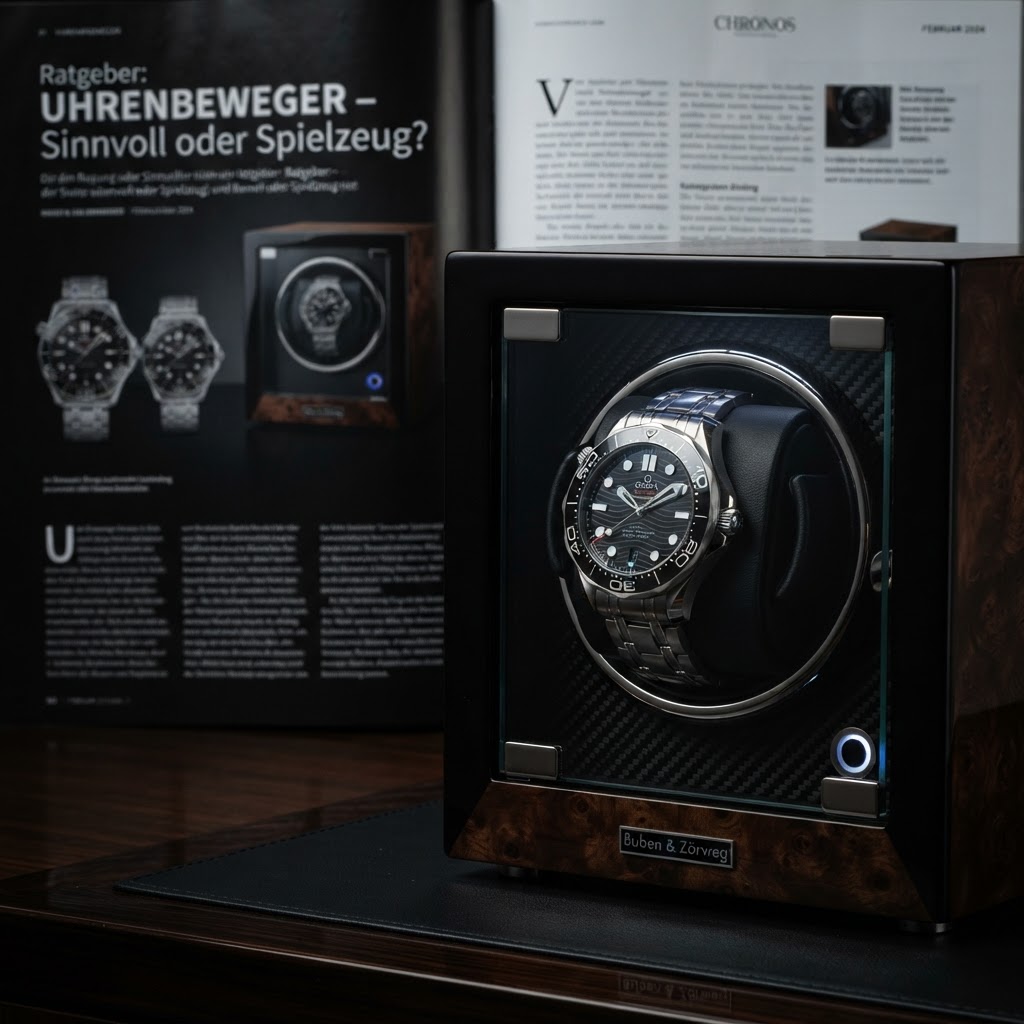
Beyond the purely technical benefit, the watch winder often acts as a representative showcase for one's own watch collection. Manufacturers such as Buben & Zörweg or Scatola del Tempo transform the accessory into exclusive pieces of furniture that highlight and showcase the design of the watches. Anyone who owns a collection worth tens of thousands of euros does not want to hide it in a dark safe, but rather present it in an elegant case. Here, high-quality materials such as fine woods, leather, and glass merge into a unit that emphasizes the value of the collection.
A well-chosen device also offers protection against external influences such as dust or high humidity, which can attack delicate seals and the dial. Combined with an integrated safe, the functional winder becomes a secure home for your beloved pieces. Ultimately, the decision for a winder is an individual trade-off between the desire for immediate readiness and the personal philosophy of the watch owner. Anyone who appreciates comfort and loves their complications will not want to miss the luxury of a winder.
Conclusion
Watch winders are an indispensable tool for enthusiasts of automatic watches with complex functions, as they offer comfort and minimize wear caused by manual setting processes. When purchasing, always pay attention to the quality of the electronics and the mechanical holding devices to optimally protect your timepieces. A sensibly used winder is therefore by no means just an expensive toy, but an investment in the care and presentation of your exclusive hobby. We recommend adjusting the turn counts individually to the requirements of your specific movements to achieve the best possible benefit for your collection.